Pet Bird Sounds and Chirps Guide
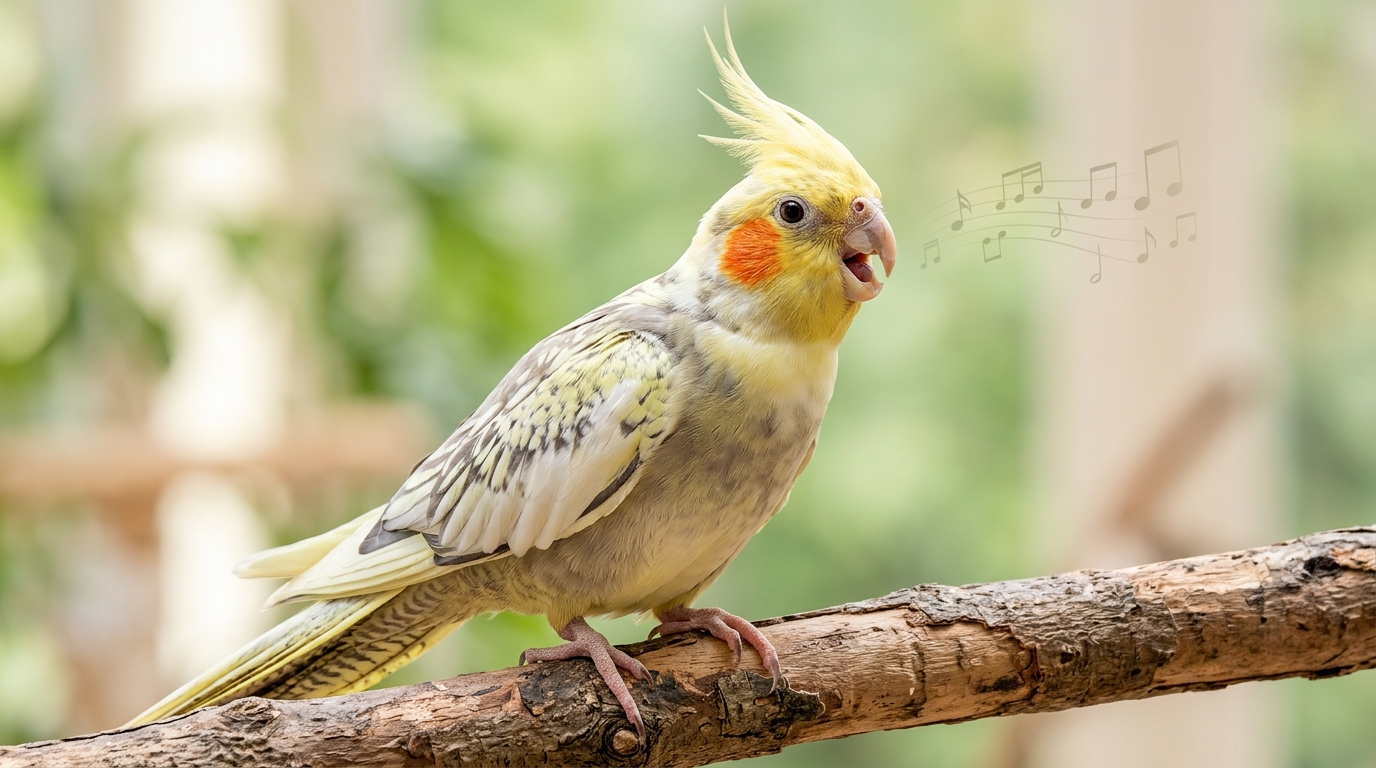
Pet birds are naturally musical and expressive. From cockatiels and parakeets to parrots, every whistle, squawk, and chirp has a clear meaning. Here is how to understand your feathered friend.

Pet birds are naturally musical and expressive. From cockatiels and parakeets to parrots, every whistle, squawk, and chirp has a clear meaning. Here is how to understand your feathered friend.
Birds use different sounds depending on whether they are talking to their flock, warning about a shadow, or simply singing along with music.
Watching how your bird moves their feathers and eyes helps you read their mood instantly.
Listen to your pet bird chirping into your microphone and decode their playful mood.
🎙️ Open Bird Translator